

Technological Evaluation
Technological evaluation is essential to understanding how AI, robotics and other digital technologies can be successfully integrated into smart warehouses. This section explores how these technologies have evolved, the benefits they provide, and the challenges organisations must manage to achieve effective human–machine collaboration.

The evolution of technological evaluation in warehousing
Technological evaluation in warehousing came into existence where the need to improve and transform the traditional and labour oriented warehouses were realised by the warehouses. Humans and manual handling tools depended before artificial intelligence and that ultimately delayed the warehouse goals. The activities were monotonous, physically straining the human energy and time consuming. And over the years, technologies were introduced to determine the emerging technologies that can improve the productivity, efficiency and the safe time in the warehouse (Jacob et al.,2023) .
Technological evaluation is one of the most important components in managing a hybrid workforce in smart warehousing as it helps in deciding if artificial intelligence (AI), robots and any other tools can actually involve the human or not. According to Pallottino, L. (2026), the technologies can assist humans in monitoring, help in allocating tasks and support in taking the operational decision.
Industry 4.0 collaboration and operational hurdles
As the technology developed, the study by Tikwayo and Mathaba (2023) from 2019 and 2022 found that the introduction of industry 4.0 technologies significantly helped warehouses in operation and supervised in decision making along with the human.
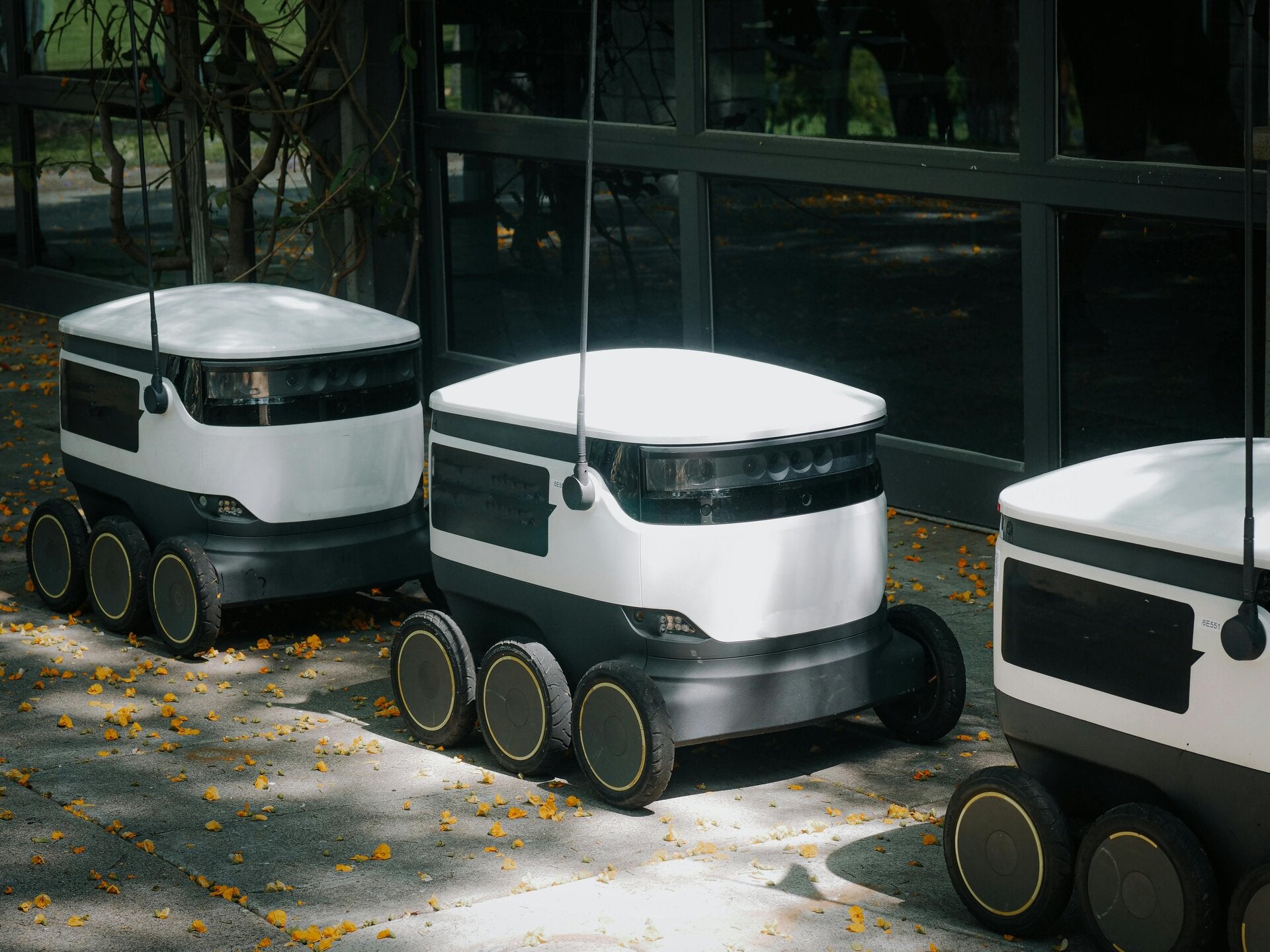
Additionally, Chen et al., (2020) found that Autonomous mobile robots (AMR) helped humans in transporting the goods pallets and benefited the warehouse with the merge. Despite these operational advantages, the implementation of AI and robotic technologies presents several organisational challenges. High implementation costs, cybersecurity concerns, system integration difficulties, and employee resistance may reduce the effectiveness of technological investments. Consequently, technological success should not be measured solely by productivity gains but by how effectively organisations integrate technology into existing workflows while maintaining employee trust and operational flexibility.

Mitigating risks through human-centred artificial intelligence
Furthermore, an overreliance on automated systems may create new risks within warehouse operations. Technical failures, inaccurate algorithms, or system disruptions can negatively affect productivity when human oversight is insufficient. Therefore, organisations should adopt a balanced approach in which AI supports human decision making rather than completely replacing human judgement. This human centred approach can improve both operational performance and workforce acceptance.