Workplace significance of hybrid smart warehousing
The implementation of AI and robotics within warehouse operations represents one of the most significant transformations occurring in modern workplaces. Growing consumer demand for rapid deliveries, rising labour costs, labour shortages, and increasing supply chain complexity have encouraged organisations to invest heavily in automation technologies that can improve operational efficiency and accuracy. As a result, smart warehousing has become a key feature of the future of work across logistics, retail, manufacturing, and e-commerce industries.

Collaborative intelligence and human-machine synergy
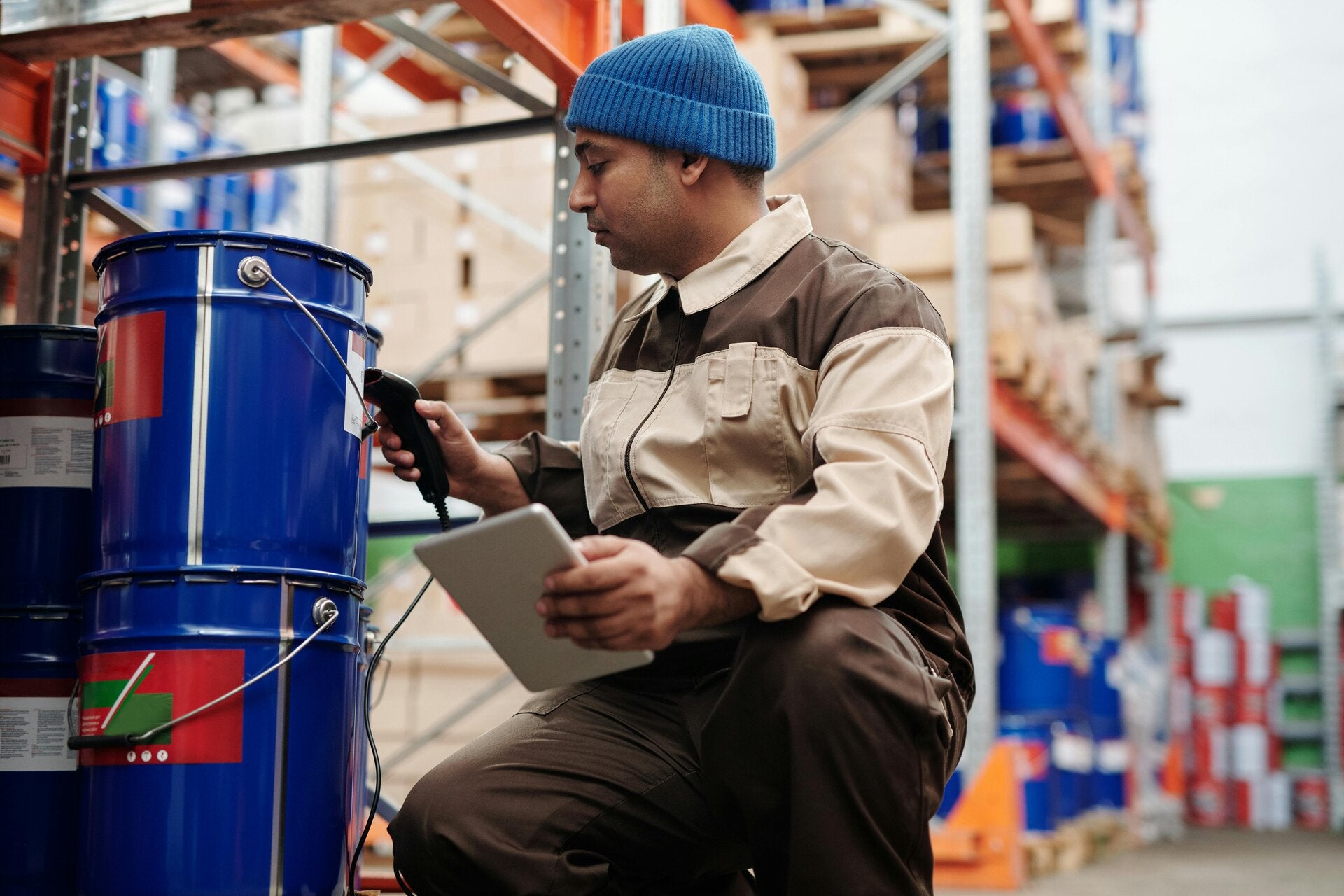
Unlike earlier forms of automation that primarily focused on replacing manual tasks, contemporary warehouse technologies increasingly support collaborative arrangements between humans and intelligent systems. Although autonomous mobile robots (AMRs) improve warehouse efficiency, their implementation may generate employee concerns regarding job displacement and reduced autonomy, requiring organisations to balance productivity gains with worker engagement.
However, human workers remain essential for handling complex decision making, exception management, problem solving, and customer focused activities. This shift has created the need for organisations to manage hybrid workforces that combine the strengths of both human and technological capabilities (Brynjolfsson et al., 2023).
Navigating evolving job roles and workplace autonomy
The significance of this issue extends beyond operational performance. The World Economic Forum (2025) Future of Jobs Report argues that AI technologies are transforming job roles across numerous industries, requiring workers to adapt to new responsibilities and develop higher-level technical and analytical capabilities. While AI can increase productivity and support decision-making, it may also contribute to concerns regarding job security, workforce displacement, workplace surveillance, and the changing nature of employee autonomy.

Human-centred implementation for sustainable success
Furthermore, Deloitte Human Capital Trends indicates that the success of warehouse automation depends not only on technological performance but also on worker acceptance and human-centred implementation practices. Jarrahi (2018) found that employees are more likely to accept robotic technologies when they perceive them as supportive tools that improve safety and reduce physically demanding work rather than as direct substitutes for human labour. Similarly, Wilson & Daugherty (2018) observed that collaborative human-robot systems can improve employee satisfaction and confidence when workers maintain meaningful involvement within operational processes.
As organisations continue to adopt Industry 4.0 technologies, the ability to effectively manage hybrid workforces will become a critical source of competitive advantage. Organisations that successfully integrate AI while maintaining employee wellbeing, organisational trust, and workforce capability development are likely to achieve more sustainable operational outcomes than those focusing exclusively on automation productivity gains. Therefore, understanding how humans and intelligent technologies can work together effectively is a significant future of work challenge for contemporary organisations.